Amosando publicacións coa etiqueta textos paralelos. Amosar todas as publicacións

sábado, 25 de xullo de 2020

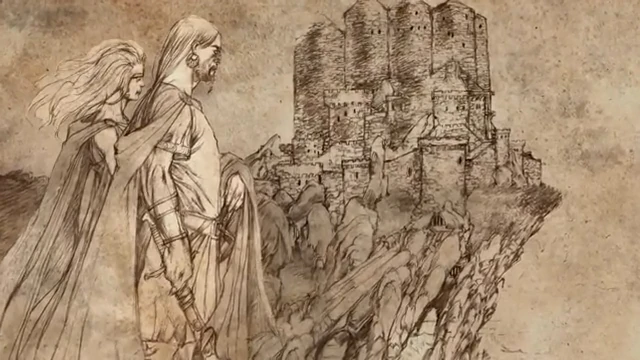
o Baluarte de Tormentas

game of thrones wiki - fandom
segundo as cancións, o Baluarte das Tormentas fora edificado por Durran, primeiro rei das tormentas, que conquistara o amor da bela Elenei, filla do deus dos mares e a deusa dos ventos. na noite do seu casamento, Elenei renunciara á súa virxindade polo amor dun mortal condenándose así a pasar coma unha mortal, e os seus pais, pesarosos, desencadearan as súas iras e enviaran os ventos e as augas para derrubar a fortaleza de Durran. os seus amigos e irmáns e os convidados á voda resultaron esmagallados baixo os muros derrubados ou foron dar ao mar, mais Elenei protexeu a Durran entre os seus brazos e por iso nom sufriu dano algún, e cando finalmente amenceu el declaroulle a guerra aos deuses e xurou que volvería construír.

the songs said that Storm's End had been raised in ancient days by Durran, the first Storm King, who had won the love of the fair Elenei, daughter of the sea god and the goddess of the wind. on the night of their wedding, Elenei had yielded her maidenhood to a mortal's love and thus doomed herself to a mortal's death, and her grieving parents had unleashed their wrath and sent the winds and waters to batter down Durran's hold. his friends and brothers and wedding guests were crushed beneath collapsing walls or blown out to sea, but Elenei sheltered Durran within her arms so he took no harm, and when the dawn came at last he declared war upon the gods and vowed to rebuild.

outros cinco castelos construíu, cada un máis grande e poderoso que o anterior, tan só para velos escachizados cando as galernas entraban ouleando na Baía Afundebarcos, precedidas de enormes muros de auga. os seus señores pregábanlle que construíra terra dentro; os seus sacerdotes que aplacara os deuses devolvéndolle a Elenei ao mar, incluso os seus servos lle imploraban que cedera. Durran nom atendeu a ninguén. erixiu un sétimo castelo, o máis enorme de todos. algúns dixeron que os fillos do bosque lle axudaran a construílo, labrando as pedras con maxia; outros aseguraban que un mozote lle indicou o que debía facer, un mozote que medraría ata converterse en Bran o Construtor. contárano como o contaran, o final do conto era o mesmo. inda que os deuses nom facían máis que botarlle encima tormenta tras tormenta, o sétimo castelo aguantou desafiante, e Durran Pesar dos Deuses e a bela Elenei moraron alí xuntos ata o fin dos seus días.

five more castles he built, each larger and stronger than the last, only to see them smashed asunder when the gale winds came howling up Shipbreaker Bay, driving great walls of water before them. his lords pleaded with him to build inland; his priests told him he must placate the gods by giving Elenei back to the sea, even his smalfolk begged him to relent. Durran would have none of it. a seventh castle he raised, most massive of all. some said the children of the forest helped him build it, shaping the stones with magic; others claimed that a small boy told him what he must do, a boy would grow to be Bran the Builder. no matter how the tale was told, the end was the same. though the angry gods threw storm after storm against it, the seventh castle stood defiant, and Durran Godsgrief and fair Elenei dwelt there together until the end of her days.

tradución por @xindiriz
extract from CATELYN III, in A Clash of Kings

domingo, 12 de abril de 2020

botaporelas: unha teoría

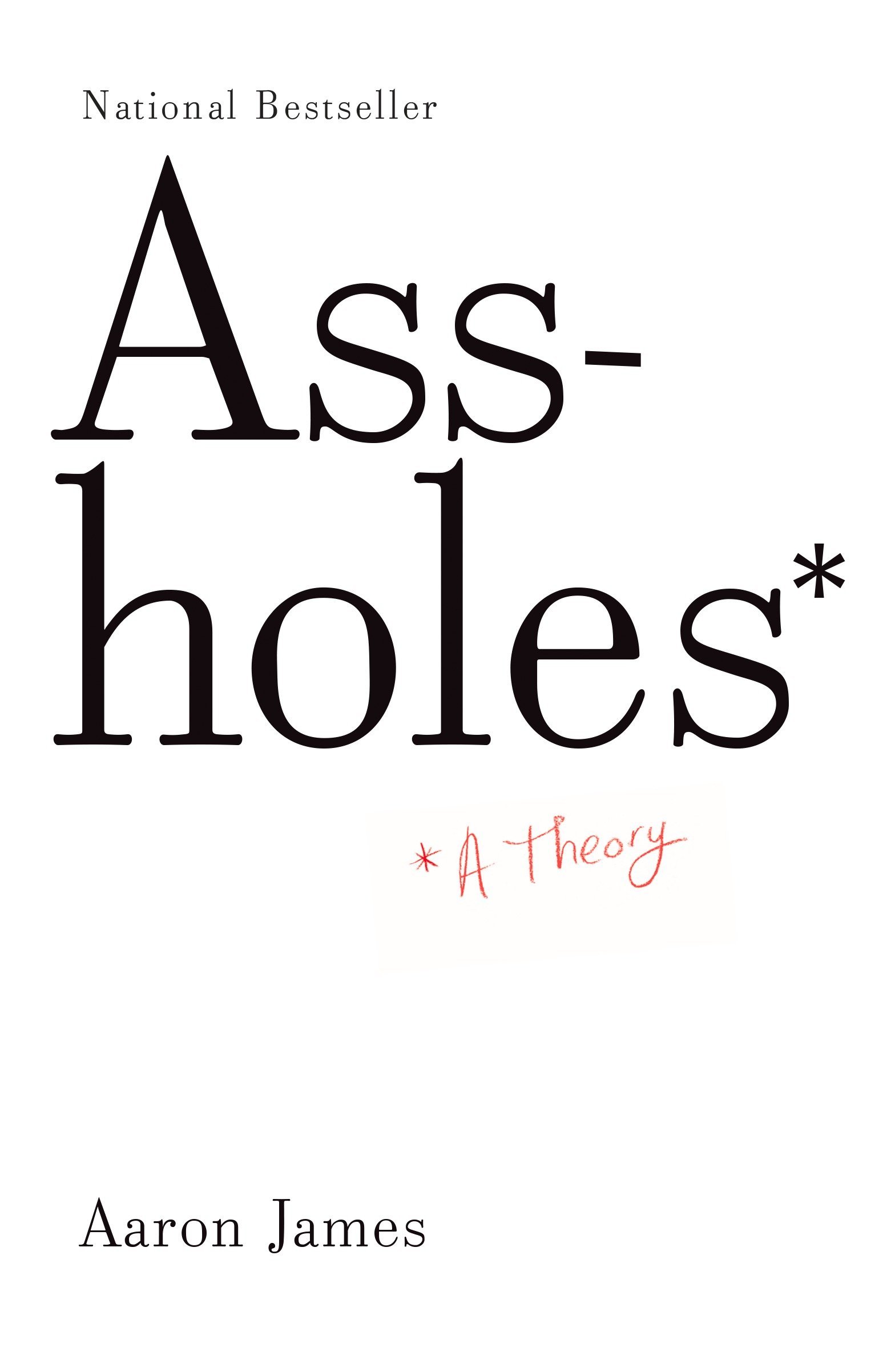
capa do libro orixinal
goodreads.com
no verán de 2010, Stanley McChrystal, comandante en xefe en Afganistán mofouse de que nos EEUU os civís mandaran sobre os militares EEUU e, como consecuencia, o presidente Barack Obama pediulle que dimitira. tal mostra de insolencia causou estrañeza. pero resultou clarificador saber como McChrystal acostumaba xestionar outros asuntos menores. dise que nunha ocasión, o seu xefe de gabinete informouno que debía asistir a unha cea en París cos aliados da OTAN - nom por que fraqueasen e tivese que apuntalar o seu apoio para continuar a guerra senón porque, tal e como o expresou o xefe de gabinete, 'a cea vai co cargo, señor'. McChrystal fíxolle unha figa, contestándolle, 'e isto vai co cargo?'.

se comparamos casos de descaro, o xeneral McChrystal palidece en comparanza con outro xeneral, Douglas MacArthur. durante a guerra de Korea, MacArthur era a lei, en cuestións importantes e en cuestións menores. desafiou e rifou en público co presidente Truman defendendo a guerra nuclear. cando logo se reuniron na Illa Wake, MacArthur chegou ao extremo de chegar primeiro  e logo tardar un chisco en permitir aterrar o avión presidencial. así o comandante en xefe de MacArthur aterrou semellando ser o seu subordinado.

cando explicou máis tarde o relevo de MacArthur Truman dixo: 'despedino por nom respectar a autoridade presidencial, nom o despedín por ser un maldito fillo de puta, inda que o é, porque iso nom contravén a lei no tocante a xenerais'. Truman aproveitou para meter, comprensibelmente, as súas pullas. perfectamente podía ter dito tamén que MacArthur era un auténtico botaporela.

mais iso nom é unha acusación exótica: os botaporelas abundan na historia e na vida pública. ademais de xenerais botaporfóra, pensemos en figuras contemporáneas como o ex-presidente italiano Silvio Berlusconi, o venezolano Hugo Chávez ou o iraniano Mahmoud Ahmadinejad. pensemos en Donald Trump, o exixente crítico de música pop Simon Cowell, ou o narcisista Mel Gibson. atopamos botaporelas todos os días nas novas por cable, onde os locutores nom paran de interromper aos convidados, e tamén na radio, onde se desperdicia tempo con comentaristas que nom fan máis que mentir e insultar. isto deteriora o debate público, tan vital para unha sociedade democrática saudábel, pero para máis inri os comentaristas que se sobreexcitan nas ondas fanse ricos e famosos, e tamén o pasan bomba.

todo isto formula un asunto filosófico máis amplo: en que consiste ser un botaporela? a resposta nom é obvia, a pesar de que a miúdo, nas nosas vidas persoais, vémonos atrapados entre xente para a que nom existe mellor definición. os botaporelas nom simplemente se atopan na historia ou nos altos cargos mais en case todas partes - no traballo, no bar que nos gusta, no deporte, no instituto, no noso grupo relixioso, ou no noso círculo de amizades; e incluso, para os máis desafortunados, na propia casa ou na familia máis próxima.

fagamos como fagamos para librarnos deles, a miúdo a verdade é que temos que soportar reunións que, para a maioría de nós, representan grandes dificultades e esforzo persoal. o botaporela nom só é unha persoa irritante máis, é unha persoa absolutamente molesta - molesta abondo para provocar que se desencadee en nós a impotencia, o medo, ou a ira. para empeorar as cousas, poderiamos nom ser quen de entender exactamente porque alguén nos pode chegar a perturbar tanto. pode que o único do que esteamos seguros é que 'botaporela' é a palabra repugnante e tamén apropiada para esta persoa en concreto.

mentres que á maioría de nós lle viría ben algún consello no tocante ao manexo dos botaporelas, nom chegamos moi lonxe sen ter respondido á pregunta inicial: en que consiste ser un botaporela?. de nom haber máis opcións, unha boa resposta - unha boa teoría do 'botaporela' - sería intelectualmente útil. proporcionaríanos os conceptos que precisamos para acabar pensando ou dicindo a razón pola que algunha xente nos chega a molestar tanto.

iso, á súa vez, e esa é a idea, abriría unha ventá pola que mirar aspectos máis fondos da nosa moral e da nosa vida social. comprobariamos o que revelan os botaporelas sobre a condición social humana e a razón da súa ubicuidade, en todas as sociedades. a idea é que unha boa teoría sería útil no día a día. entender os botaporelas que nos deteñen podería axudarnos a pensar dun xeito construtivo sobre a mellor maneira de manexalos. poderíamos ter máis claro cando é mellor plantarse ou cando é mellor ignoralos - paga a pena loitar por ter iso máis claro.

a nosa teoría defende que o botaporela exhibe unha característica da moral que os filósofos tratan de comprender desde os tempos de Jean-Jacques Rousseau. o botaporela rexeita escoitar as nosas queixas, lexítimas, e por iso representa un reto á idea de que todos e cada un de nós temos dereito a ser recoñecidos como iguais desde o punto de vista moral. isto explica por que o botaporela é tan irritante, ao revelar a grande importancia que concedemos ao recoñecemento dos demais en ámbitos sorprendentes das nosas vidas. comprender ben isto contribúe a manexar mellor os botaporelas.

a clave é comprender porque estamos tan tentados a loitar nos termos que eles propoñen: loitamos polo noso propio recoñecemento moral. tamén exploraremos con máis fondura cuestións máis básicas sobre a vida social humana: por que os botaporelas son basicamente homes? teñen realmente a culpa de ser botaporelas? por que unhas sociedades producen máis botaporelas que outras? son certos estilos de capitalismo especialmente propensos á produción de botaporelas e, consecuentemente, ao declive social? e, finalmente, podemos, en último termo, facer as paces nom só co botaporela que nos toca en sorte e tamén coa condición humana, na os botaporelas nom fan máis que florecer?

en que consiste ser un botaporela?

a nosa teoría é basicamente esta: unha persoa conta como botaporela cando, e só cando, sistematicamente se permite gozar de privilexios especiais nas relacións interpersoais en base a un arraigado sentido de ter dereito a facer o que lle pete que o inmuniza contra as queixas do resto (ao ser os botaporelas, nunha enorme proporción homes, usamos o masculino a propósito. consideramos que as mulleres tamén poder ser botaporelas. pensemos en Ann Coulter). a nosa teoría, polo tanto, ten tres elementos básicos: en termos interpersonais e cooperativos, o botaporela:

1, crese co luxo de gozar de privilexios especiais e abusa deles de xeito sistemático;
2, faino por crer que ten dereito a facelo; e
3, é inmune, por crerse con dereito, ás queixas do resto.

así, por exemplo, o botaporela é a persoa que habitualmente nom garda a fila. ou que frecuentemente interrompe unha conversa. ou que saca a man pola ventá para cambiar de carril ao conducir. ou que insistentemente subliña os defectos doutra persoa. ou que é extremadamente sensíbel a sentirse ofendido mentres nom se decata de que el é borde co resto. unha persoa insensíbel - un simple 'cretino' - podería sentirse chamado a gozar de 'privilexios especiais' en tales relacións interpersonais. o que distingue ao botaporela é o xeito de actuar, as razóns que o impulsan a actuar dun xeito arrogante e abusivo. o botaporela actúa convencido de que é especial, que as normas xerais de conduta nom se lle aplican (...)

Aaron James
Knopf Doubleday Publishing (2012)
tradución por @xindiriz
xindiriz@gmail.com

1 a theory

in the summer of 2010, Stanley McChrystal, US army general and Afghan war commander, reportedly trashed the US civilian military leadership, in effect forcing President Barack Obama to ask him to resign. the display of disrespect was striking, but more telling were the details about MacChrystal's handling of smaller matter. according to one story, McChrystal was once apprised by his chief of staff that he was obliged to attend a dinner in Paris with NATO allies -if not to shore up flagging support for the war, then simply because, as the chief of staff put it, 'the dinner comes with the position, sir'. McChrystal held up his middle finger, retorting, 'does this come with the position?'.

for brazen disregard, General McChrystal pales in comparison to another general, Douglas MacArthur. during the Korean War, MacArthur was a law unto himself, in matters both big and small. he quarreled defiantly in public with President Turman, agitating for nuclear war. in their eventual confrontation at Wake Island, MacArthur went so far as to arrive first and then order the president's approaching plane into a holding pattern. MacArthur's commander in chief would thus arrive on the landing strip appearing to be MacArthur's supplicant.

in explaining why he subsequently relieved MacArthur of his command, Truman said, 'I fired him because he wouldn't respect the authority of the president. I didn't fire him because he was a dumb son of a bitch, although he was, but that's not against the law for generals'. Truman was arguably pulling his punches. he could easily have called MacArthur an asshole.

that would not be an exotic charge: assholes abound in history and public life. aside from runaway generals, we might think of such contemporary figures as former Italian president Silvio Berlusconi, Venezuelan president Hugo Chávez, or Iranian president Mahmoud Ahmadinejad. we might think of the self-important developer-entertainer Donald Trump, the harsh pop music critic Simon Cowell, or the narcissist actor Mel Gibson. assholes are found daily on cable news, where hosts repeatedly interrupt their guests, and also on talk radio, where airtime is given to commentators who thrive on falsehood and invective. even as this demonstrably degrades the public debate so vital for a healthy democratic society, overheated commentators get rich and famous, while clearly having a really great time.

all of this poses a larger philosophical question: what is it for someone to be an asshole? the answer is not obvious, despite the fact that wer are often personally struck dealing with people for whom there is no better name. assholes can be found not simply in history and high public office but almost anywhere -at work; in our chosen club, sport, school religious group, or circle of friends; and even, for the truly unlucky, in the home or immediate family. try as we might to avoid them, we often simply have to manage encounters that come, for most of us, with great difficulty and personal strain. the asshole is not just another annoying person but a deeply bothersome person -bothersome enough to trigger feelings of powerlessness, fear, or rage. to make matters worse, we may be unable to understand why exactly someone should be so disturbing. we may feel certain only that 'asshole' is a suitably unsavory name for this particular person.

while most of us could use advice in asshole management, we cannot get far without an answer to our initial question: what is it for someone to be asshole? if nothing else, a good answer -a good theory of the asshole- would be intellectually interesting. it would give us the concepts to finally thing or say why some people disturb us so. that, in turn, would ideally open a window into deeper aspects of morality and social life. we would see what assholes reaveal about the human social condition and why assholes are everywhere, in every society. ideally, a good theory would be practically useful. understanding the asshole we are stuck with might help us think constructively about how best to handle him. we might get a better sense of when the asshole is best resisted and when he is best ignored -a better sense of what is, and what is not, worth fighting for.

according to our theory, which we will present shortly, the asshole exposes a deep feature of morality that philosophers have sought to understand from the time of Jean-Jacques Rousseau to this day. the asshole refuses to listen to our legitimate complaingts, and so he poses a challenge to the idea what we are each to be recognized as moral equals. this explains why the asshole is so bothersome, by revealing the great importance we attach to recognition in unexpected areas of our lives. in later chapters, we will suggest that a clearer understanding of this helps with asshole management. the key is understand why we are easily tempted to fight on the asshole's terms: we are fighting for moral recognition in his eyes. we will also explore larger, more basic questions about human social life. why are assholes mainly men? can assholes be properly blamed? why do some societies produce more assholes than others? are certain styles of capitalism especially prone to asshole production and thus social decline? and, finally, can we ultimately make peace not only with the given asshole but also with a human social condition in which assholes flourish?

what is it to be an asshole?

our theory is simply this: a person counts as an asshole when, and only when, he systematically allow himself to enjoy special advantages in interpersonal relations out of an entrenched sense of entitlement that immunizes him against the complaints of other people (because assholes are by and large men, we use the masculine pronoun 'he' advisedly. we will suggest that women can be assholes as well. for the time being, think of Ann Coulter). our theory thus has three main parts. in interpersonal or cooperative relations, the asshole:

1, allows himself to enjoy special advantages and does so systematically;
2, does this out of an entrenched sense of entitlement; and
3, is immunized by his sense of entitlement against the complaints of other people.

so, for example, the asshole is the person who habitually cuts in line. or who frequently interrupts in a conversation. or who weaves in and out of lanes in traffic. or who persistently emphasizes another person's faults. or who is extremely sensitive to perceived slights while being oblivious to his crasness with others. an insensitive person -a mere 'jerk'- might allow himself to so enjoy 'special advantages' in such interpersonal relations. what distinguishes the asshole is the way he acts, the reasons that motivate him to act in an abusive and arrogant way. the asshole acts out of a firm sense that he is special, that the normal rules of conduct do not apply to him (...)

mércores, 8 de febreiro de 2017

meu amor,

www.openculture.com 
o 28 de marzo de 1941, martes, con 57 anos, Virginia vestiu unha casaca, encheu os petos de pedras e fixo por afogarse no río Ouse. antes, logo dun colapso nervioso, escribiulle a Leonard.

Leonard era marido seu, mais tamén amigo e editor. quizás o termo máis acertado para describir a súa relación sería amigo, porque a Virginia os homes nom lle ‘interesaban’.

ela nunca acababa de revisar os seus escritos; por iso, el ‘roubáballos’ e mandábaos a imprensa. ela seguía a editar ata que un día el chegaba a casa e lle dicía: ‘podes para de revisar, o libro está na imprensa, hai semanas que está terminado’.

ela enfurecía, mais logo llo agradecía, pois así podía comezar outro libro.

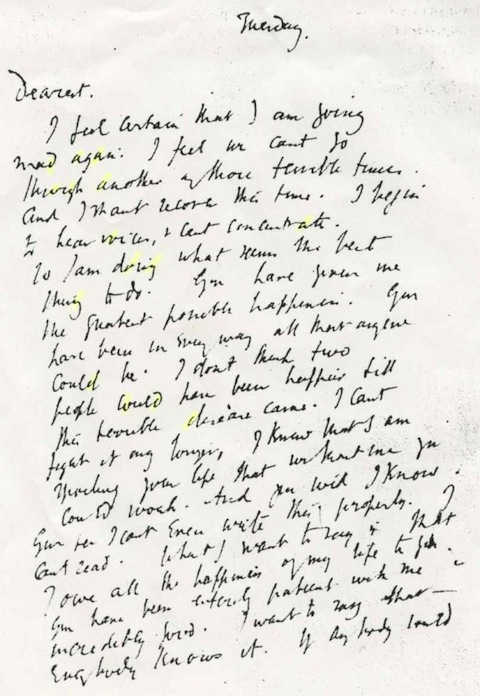
estas son as liñas que lle deixou escritas aquel día de marzo:

Dearest,

I feel certain I am going mad again. I feel we can’t go through another of those terrible times. and I shan’t recover this time. I begin to hear voices, and I can’t concentrate. So I am doing what seems to be the best thing to do. You have given the greatest possible happiness. You have been in every way all that anyone could be. I don’t think two people could have been happier till this terrible disease came. I can’t fight any longer. I know that I am spoiling your life, that without me you could work. And you will I know. You see, I can’t even write this properly. I can’t read. What I want to say is I owe all the happiness of my life to you. You have been entirely patient with me and incredibly good. I want to say that – everybody knows it. If anyone could have saved me it would have been you. Everything has gone from me except the certainty of your goodness. I can’t go on spoiling your life any longer.

I don’t think two people could have been happier than we have been.

V.

meu amor,

teño a certeza de estar volvendo a perder a razón. creo que nom podemos volver a pasar as mesmas atrocidades de antes. e desta nom me vou recuperar. comezo a oír voces, e nom de dou concentrado. por iso vou facer o que mellor me parece. tesme proporcionado toda a ledicia que se pode dar. tes sido, en todo, todo o que alguén pode chegar a ser. nom creo que dúas persoas teñan sido máis felices ata que chegou esta terríbel doenza. xa nom dou loitado. sei que estou arruinando a túa vida, que sen min poderías traballar. e sei que o farás. xa ves, nin son quen de escribir isto como é debido. nom son quen de ler. o que quero dicir é que che debo a ti toda a ledicia da miña vida. tes tido tanta paciencia e sido tan incribelmente bo comigo. quero dicir que –
o saben todos. se houbese alquén que me puidese salvar ese terías sido ti. nom me queda nada excepto a certeza da túa bondade. nom podo seguir arruinándoche a vida.

nom creo que dúas persoas teñan sido máis felices do que nós fomos.

V.
FONTE DETURPADA: Pensar Contemporâneo

mércores, 4 de xaneiro de 2017

a banalidade do optimismo

The University of Virginia Press
pode haber moitas e boas razóns para crer que algo vai saír ben, mais que vai ser así porque es optimista nom é unha delas. é simplemente tan irracional como crer que todo vai ir ben porque es albanés, ou porque estivo a chover tres días un detrás doutro. se nom hai ningunha boa razón pola que as cousas funcionen de xeito satisfactorio, tampouco hai unha boa razón pola que teñan que funcionar mal, polo que a crenza do optimista carece de base. é posíbel ser un optimista pragmático, no sentido de sentir a certeza de que este problema, mais nom aquel, se resolverá; mais o que un podería chamar un optimista profesional ou con carné séntese optimista sobre situacións específicas porque ten tendencia a sentirse así en xeral. atopará o ferro perdido do piercing ou herdará unha casa señorial xacobina porque a vida, no seu conxunto, tampouco é tan mala. corre así o perigo mercar nas rebaixas a súa esperanza. en efecto, nun do seus sentidos o optimismo é máis cousa de crenza que de esperanza. baséase na opinión de que as cousas teñen tendencia a acabar ben, nom no extenuante compromiso que implica a esperanza. Henry James considerou que era tan frecuente na vida coma nas letras. ‘no que respecta ás aberracións dun optimismo superficial,’ escribe en A arte da ficción, ‘o chan (da ficción inglesa en especial) está estrado tanto coas súas partículas quebradizas como con cristais xa crebados’.

o optimismo, en tanto perspectiva xeral, é autosuficiente. é difícil argumentar contra del porque é unha actitude primordial cara o mundo que, como o cinismo ou a credulidade, ilumina os feitos desde o seu ángulo particular e por iso se resiste a ser refutado por eles. de aquí deriva a trillada metáfora de ver o mundo con gafas de cor de rosa, que colorarán todo o que rete a túa visión con precisamente ese mesmo rubicundo fulgor. nunha especie de astigmatismo moral, a verdade defórmase para adaptala ás propias propensións, que xa tomaron no teu nome todas as decisións vitais. posto que o pesimismo implica moita da mesma caste de torsión espiritual, as dúas actitudes teñen máis en común do que xeralmente se cre. o psicólogo Erik Erikson fala dun 'optimismo maladaptativo' polo cal o infante nom é capaz de recoñecer os lindes do posíbel ao nom poder facerse eco dos desexos dos que o rodean, e a súa incompatibilidade cos seus. recoñecer a intransixencia da realidade é, na opinión de Erikson, vital para a formación do ego, mais isto é precisamente o que ao optimismo crónico ou profesional lle resulta difícil lograr.   

un optimista non é simplemente alguén con grandes esperanzas. incluso un pesimista pode ser positivo en relación a un asunto concreto, independentemente da súa neura habitual. pódese albergar esperanza sen sentir que sexa probábel que as cousas acaben ben. un optimista é máis ben alguén ilusionado coa vida simplemente porque é un optimista. anticipa conclusións agradábeis porque el é así. e como tal, nom ten en conta que se deben ter razóns para ser feliz. a diferenza da esperanza, polo tanto, o optimismo profesional nom é unha virtude, nom máis que ter pecas ou os pés planos resulta virtuoso. nom é unha disposición que un adquire por medio de fondas reflexións ou estudo disciplinado. é, simplemente, un capricho do temperamento. 'mira sempre o lado alegre da vida' contén tanta racionalidade como 'peitéate sempre coa a raia ao medio' ou 'saúda sempre obsequiosamente a un lobishome irlandés'.

igualmente desgastada, a imaxe do vaso medio cheo ou medio baleiro dependendo da opinión de cada un é instrutiva a este respecto. a imaxe delata o feito de que nom hai nada na propia situación que determine a resposta ante ela. pode nom representar reto algún para os nosos prexuízos habituais. nom hai nada obxectivo en xogo. verás a mesma cantidade de líquido sexas despreocupado ou taciturno. como un vexa o vaso, polo tanto, é puramente arbitrario. e é moi dubidoso que a unha conclusión puramente arbitraria se lle poida denominar valoración.

seguramente hai pouco que discutir sobre a cuestión, xa que para os modos de postmodernismo epistemoloxicamente máis inxenuos as crenzas nom se discuten. a cousa é que ti ves o mundo ao teu xeito e eu ao meu, e nom hai terreo neutral no que os dous puntos de vista entren en contenda mutua. posto que tal terreo estaría, en si mesmo, suxeito a interpretacións diferentes debido aos puntos de vista en cuestión, nom sería neutral en absoluto. ningunha posición pode ser empiricamente refutada, xa que cada unha interpretará os feitos de xeito que confirmará a súa propia validez. de xeito similar, tanto optimismo como pesimismo son modos de fatalismo. nom hai nada que facer se es optimista, de igual xeito que nom hai nada que facer se mides un metro sesenta e catro. estás encadeado á túa ledicia como un escravo ao seu remo, unha perspectiva moi sombría. todo o que é realmente posíbel, polo tanto, co relativismo epistemolóxico, é que os dous campos respecten as súas opinións respectivas dun xeito bastante inoperante de tolerancia. nom hai bases racionais para decidir entres as dúas opcións. para certa estirpe de relativismo moral nom hai bases racionais para decidirse entre convidar a cear aos teus amigos ou colgalos cabeza abaixo das vigas mentres lles rebuscas os petos. a auténtica esperanza, pola contra, precisa estar alicerzada con motivos. nisto, semella ao amor, do que é, teoloxicamente falando, unha modalidade específica. debe ser capaz de seleccionar as características dunha situación que a fai críbel. doutro modo é só instinto, como estar convencido de que hai un polbo baixo a cama. a esperanza debe ser imperfecta, de igual xeito que nom o é a ledicia temperamental.

incluso cando o optimismo recoñece que os feitos nom lle dan a razón, o seu entusiasmo permanece inmaculado. Mark Tapley, un personaxe en Martin Chuzzlewit, de Charles Dickens, ten un bo humor tan fanático que para demostrar que a súa ledicia nom se merca nas rebaixas, vai á busca da clase de situacións horríbeis que levaría a outros ao desespero. xa que Tapley desexa que as súas circunstancias sexan canto máis angustiosas mellor para sentirse satisfeito consigo mesmo, o seu optimismo é en realidade un xeito de egoísmo; igual que a maioría dos puntos de vista na novela. é da mesma caste que o sentimentalismo, outra forma de alegría que se trata, en segredo, de si mesma. o egoísmo abonda tanto en Martin Chuzzlewit que incluso a xenerosidade de espírito de Tapley se describe como unha caste de idiosincrasia ou unha extravagancia do temperamento, en absoluto un fenómeno moral. hai un sentido no que nom desexa que a súa situación mellore, xa que isto privaría de valor moral a súa cordialidade. a súa disposición xovial é así cómplice coas forzas que estenden a tristura ao seu redor. o pesimista sospeita igualmente de esforzarse por mellorar - nom porque lle privaría de oportunidades de pasalo ben, mais porque cre que é algo case condenado ao fracaso.

os optimistas tenden a crer no progreso. mais se se poder mellorar as cousas, entón dedúcese que a súa situación actual deixa algo que desexar. neste sentido, o optimismo nom é tan disparatado coma o que no século XVIII se coñeceu coma 'optimalismo'. para o optimalista xa gozamos o mellor de todos os arranxos cósmicos posíbeis; o optimista, pola contra, pode recoñecer as pexas do presente mentres mira cara un futuro lustroso. a cuestión é se a perfección xa está aquí, ou é un obxectivo cara o que nos encamiñamos. nom é difícil, sen embargo, ver como o optimalismo pode constituír unha receita para a apatía moral; o que, polo tanto, socavaría a súa afirmación de que o mundo nom se pode mellorar.

como nihilistas que son, os optimalistas carecen de toda esperanza porque nom a precisan. xa que nom ven motivo para cambiar, poderían aliarse con eses conservadores para os que tal cambio é algo deplorábel, ou para os que a nosa situación é demasiado corrupta como para permitir cambio algún. Henry James puntualiza que 'inda que un conservador nom é necesariamente un optimista, creo que un optimista é moi probabelmente un conservador'. os optimistas son conservadores porque a súa fe nun futuro benigno está enraizada na súa confianza na solvencia esencial do presente. en efecto, o optimismo é unha compoñente típica das ideoloxías gobernantes. se, por norma, os gobernantes nom animan os cidadáns a crer que hai un apocalipse espantoso axexando á volta da esquina, é, en parte, porque a alternativa á unha cidadanía entusiasta pode ser a desafección política. a desolación, pola contra, pode ser unha postura radical. so se contemplas como crítica a túa situación recoñeces a necesidade de transformala. a insatisfacción pode ser un aguillón para a reforma. ao optimista, pola contra, probabelmente se lle ocorreran solucións puramente cosméticas. a verdadeira esperanza precísase máis canto peor e crítica é a situación, un estado de emerxencia que o optimismo é xeralmente remiso a recoñecer. un preferiría nom ter esperanza, xa que necesitala é sinal de que xa aconteceu o que resulta difícil aceptar. nas escrituras hebreas, por exemplo, a esperanza ten un subtexto sombrío, implicando a confusión do impío. se un ten necesidade da virtude, é porque arredor hai moitos malvados.

Nietzsche distingue en Schopenhauer como educador dous tipos de ledicia - unha inspirada nunha tráxica confrontación co terríbel, como os antigos gregos, e unha caste superficial de cordialidade que obtén a súa solidez a expensas dunha conciencia do irreparábel. é incapaz de mirar directamente aos ollos os monstros que afirma combater. nesa medida, a esperanza e o optimismo temperamental lévanse a matar. o desenfado ou espírito verdadeiros, desde o punto de vista de Nietzsche, son arduos, rigorosos, unha cuestión de carraxe e autosuperación. desmonta a distinción entre ledicia e seriedade, que é a razón pola que pode escribir en ecce homo sobre estar 'de bo humor no medio de verdades duras'. Nietzsche tiña tamén, con total seguridade, razóns deshonestas para rexeitar o optimismo. en nacemento da traxedia prescinde del, en plan machote, por ser 'unha doutrina para frouxos', e asóciao ás perigosas aspiracións revolucionarias da 'clase escrava' do seu día.

Theodor Adorno unha vez observou que os pensadores que nos proporcionan a verdade sobria e sen edulcorar (tiña en mente a Freud) prestaban máis servizo á humanidade que os utópicos inxenuos. veremos máis adiante como o colega de Adorno, Walter Benjamin, construíu a súa visión revolucionaria sobre a desconfianza no progreso histórico, así como nunha fonda melancolía. o propio Benjamin chama a esta perspectiva 'pesimismo', mais un que tamén se podería considerar realismo, a condición moral máis difícil de acadar. num célebre ensaio sobre o surrealismo, fala da necesidade urxente de 'organizar' o pesimismo con fins políticos, contrarrestando o optimismo facilón de certos sectores da esquerda. hai, escribe, a necesidade de 'pesimismo todo o tempo'. definitivamente. desconfianza no destino da literatura, desconfianza no destino da liberdade, desconfianza no destino da humanidade europea, mais desconfianza tripla ante toda reconciliación entre clases, entre nacións, entre individuos. e confianza ilimitada só na IG Farben e na pacífica perfección da forza aérea. o testán escepticismo de Benjamin está ao servizo do benestar humano. é un intento de nom permanecer friamente perplexo en beneficio da acción construtiva. noutras mans, con seguridade, esta visión desalentada cuestionaría a posibilidade mesma da transformación política. quizás unha certa impotencia é inherente ao cataclismo xeral. de ser así, entón canto peor muda a túa situación, máis difícil é alterala. este nom é punto de vista de Benjamin. para el, a refutación do optimismo é unha condición esencial do cambio político

foto tirada de 'New Humanist'
the banality of optimism

there may be many good reasons for believing that a situation will turn out well, but to expect that it will do so because you are an optimist is not one of them. It is just as irrational as believing that all will be well because you are an Albanian, or because it has just rained for three days in a row. If there is no good reason why things should work out satisfactorily, there is no good reason why they should not turn out badly either, so that the optimist's belief is baseless. It is possible to be a pragmatic optimist, in the sense of feeling assured that this problem, but not that one, will be resolved; but what one might call a professonal or card-carrying optimist feels sanguine about specific situations because he or she tends to feel sanguine in general.  He will find his lost nose stud or inherit a Jacobean manor house because life as a whole is not so bad. He is thus in danger of buying his hope on the cheap. In fact, there is a sense in which optimism is more a matter of belief than of hope. It is based on an opinion that things tend to work out well, not on the strenuous commitment that hope involves. Henry James thought it rife in both life and letters. 'As for the aberrations of a shallow optimism,' he writes in The Art of Fiction, 'the ground (of English fiction especially) is strewn with their brittle particles as with broken glass.'

optimism as a general outlook is self-sustaining. If it is hard to argue against, it is because it is a primordial stance toward the world, like cynicism or credulity, which lights up the facts from its own peculiar angle and is thus resistant to being refuted by them. Hence the hackneyed metaphor of seeing the world through rose-tinted spectacles, which will color whatever might challenge your vision with the same ruddy glow. In a kind of moral astigmatism, one skews the truth to fit one's natural proclivities, which have already taken all the vital decisions on your behalf. Since pessimism involves much the same kind of spiritual kink, the two moods have more in common than is generally thought. The psychologist Erik Erikson speaks of a "maladaptive optimism" whereby the infant fails to acknowledge the bounds of the possible by failing to register the desires of those around it, and their incompatibility with its own. Recognizing the intransigence of reality is in Erikson's view vital to the formation of the ego, but it is just this that the chronic or professional optimism finds hard to achieve.

an optimist is not just someone with high hopes. Even a pessimist can feel positive on a particular issue, whatever his or her habitual gloom. One can have hope without feeling that things in general are likely to turn out well. An optimist is rather someone who is bullish about life simply because he is an optimist. He anticipates congenial conclusions because this is the way it is with him. As such, he fails to take the point that one must have reasons to be happy. Unlike hope, then, professional optimism is not a virtue, any more than having freckels or flat feet is a virtue. It is not a disposition one attains through deep reflection or disciplined study. It is simply a quirk of temperament. 'Always look on the bright side of life' has about as much rational force as 'always part your hair in the middle,' or 'always tip your hat obsequiously to an Irish wolfhound'.

the equally moth-eaten image of the glass which is half full or half empty depending on one's viewpoint is instructive in this respect. The image betrays the fact that there is nothing in the situation itself to determine one's response to it. It can offer no challenge to your habitual prejudices. There is nothing objectively at stake. You will see the same amount of liquid whether you are of a carefree or morose turn of mind. How one feels about the glass, then, is purely arbitrary. And whether a judgement that is purely arbitrary can be said to be a judgement at all is surely doubtful.

there can certainly be no arguing over the matter, as for the more epistemologically naive forms of postmodernism there can be no arguing over beliefs. The fact is that you see the world in your way and I see it in mine, and there is no neutral ground on which these two points of view might enter into mutual contention. Since any such ground would itself be interpreted differently by the viewpoints in question, it would not be neutral at all. Neither standpoint can be empirically disproved, since each will interpret the facts in a way that confirms its own validity. In a similar way, both optimism and pessimism are forms of fatalism. There is nothing you can do about being an optimist, rather as there is nothing you can do about being five foot four. You are chained to your cheerfulness like a slave to his oar, a glum enough prospect. All that is really possible, then, as with epistemological relativism, is for the two camps to respect each other's opinion in a rather toothless kind of tolerance. There are no rational grounds for deciding between these cases, any more than for a certain strain of moral relativism are there rational grounds for deciding between inviting your friends to dinner and hanging them upside down from the rafters while you rifle their pockets. Authentic hope, by contrast, needs to be underpinned by reasons. In this, it resembles love, of which theologically speaking it is a specific mode. It must be able to pick out the features of a situation that render it credible. Otherwise it is just a gut feeling, like being convinced that there is an octopus under your bed. Hope must be fallible, as temperalmental cheerfulness is not.

even when optimism acknowledges that the facts do not support it, its ebullience can remain undented. Mark Tapley, a character in Charles Dickens’s Martin Chuzzlewit, is so fanatically good-humoured that he seeks out the kind of dire situations that would drive others to despair, so as to demonstrate that his geniality is not bought on the cheap. Since Tapley wants his circumstances to be as distressing as possible in order to feel satisfied with himself, his optimism is actually a form of egoism, as are most points of view in the novel. It is akin to sentimentalism, another form of congeniality which is secretely about ifself. Selfishness is so rife in Martin Chuzzlewit that even Tapley’s generosity of spirit is portrayed as a kind of idiosincrasy or a quirk of temperament, scarcely a moral phenomenon at all. There is a sense in which he does not really want his situation to improve, since this would rob his heartiness of its moral worth. His jovial disposition is thus complicit with the forces that spread misery around him. The pessimist is similarly suspicious of efforts at improvement – not because they would deprive him of opportunites for jolliness, but because he believes that they are almost certain to fail.

Optimists tend to believe in progress. But if things can be improved, then it follows that their present condition leaves something to be desired. In this sense, optimism is not quite as bullish as what the eighteenth century knew as optimalism – the Leibnizian doctrine that we inhabit the best of all possible worlds. Optimism is not as optimistic as optimalism. For the optimalist, we already enjoy the best of all possible cosmic arrangements; the optimist, by contrast, may acknowledge the shortcomings of the present while looking to a more lustrous future. It is a question of whether perfection is here already, or whether it is a goal toward which we are heading. It is not hard, however, to see how optimalism can constitute a recipe for moral inertia, which might then undercut its claim that the world cannot be improved on.

optimalists are as bereft of hope as nihilists because they have no need of it. Since they see no call for change, they may find themselves in league with those conservatives for whom such change is deplorable, or for whom our condition is too corrupt to allow of it. Henry James remarks that “although a conservative is not necessarily an optimist, I think an optimist is pretty likely to be a conservative.” Optimists are conservatives because their faith in a benign future is rooted in their trust in the essential soundness of the present. Indeed, optimism is a typical component of ruling-class ideologies. If governments do not generally encourage their citizents to believe that there is some frightful apocalypse lurking around the corner, it is partly because the alternative to a bright-eyed citizenry may be political disaffection. Bleakness, by contrast, can be a radical posture. Only if you view your situation as critical do you recognize the need to transform it. Dissatisfaction can be a goad to reform. The sanguine, by contrast, are likely to come up with sheerly cosmetic solutions. True hope is needed most when the situation is at its starkest, a state of extremity that optimism is generally loath to acknowledge. One would prefer not to have to hope, since the need to do so is a sign that the unpalatable has already happened. For the Hebrew scriptures, for example, hope has a gloomy subtext, involving as it does the confounding of the ungodly. If one has need of the virtue, it is because there are a great many villains around.

Friedrich Nietzsche distinguishes in Schopenhauer as Educator between two kinds of cheerfulness – one inspired by a tragic confrontation with the terrible, as with the ancient Greeks, and a shallow brand of heartiness which buys its buoyancy at the expense of an awareness of the irreparable. It is unable to look the monsters it purports to combat squarely in the eyes. To this extent, hope and temperamental optimism are at daggers drawn. True lightness or spirit in Nietzsche’s view is arduous, exacting, a question of courage and self-overcoming. It dismantles the distinction between joy and seriousness, which is why he can write in Ecce Homo of being “cheerful among nothing but hard truths.” Nietzsche had, to be sure, disreputable reasons for rejecting optimism as well. In The Birth of Tragedy he dismisses it in macho spirit as a “weakling doctrine,” and associates it with the dangerous revolutionary aspirations of the “slave class” of his day.

Theodor Adorno once observed that those thinkers who give us the sober, unvarnished truth (he had Freud in particular in mind) were of more service to humanity than the wide-eyed utopianists. We shall be seeing later how Adorno’s colleague Walter Benjamin built his revolutionary vision on a distrut of historical progress, as well as on a profound melancholia. Benjamin himself calls this outlook "pessimism," but one might equally see it as realism, that most difficult of moral conditions to attain. In a celebrated essay on surrealism, he speaks of the urgent need to "organize" pessimism for political ends, countering the facile optimism of certain sectors of the left. There is, he writes, a need for "pessimism all along the line". Absolutely. Mistrust of the fate of literature, mistrust of the fate of freedom, mistrust of the fate of European humanity, but three times mistrust of all reconciliation between classes, between nations, between individuals. And unlimited trust only in I.G. Farben and the peaceful perfection of the air force. Benjamin’s dogged skepticism is in the service of human welfare. It is an attempt to remain coldly unmystified for the sake of constructive action. In other hands, to be sure, this despondent vision might call the very possibility of political transformation into question. Perhaps a certain impotence belongs to the general cataclysm. If this is so, then the worse your conditon grows, the harder it may be to alter. This is not Benjamin’s view. For him, the refutation of optimism is an essential condition of political change.

primeiras páxinas do primeiro capítulo de Hope Without Optimism (2015)
tradución mala por @xindiriz

xoves, 1 de decembro de 2016

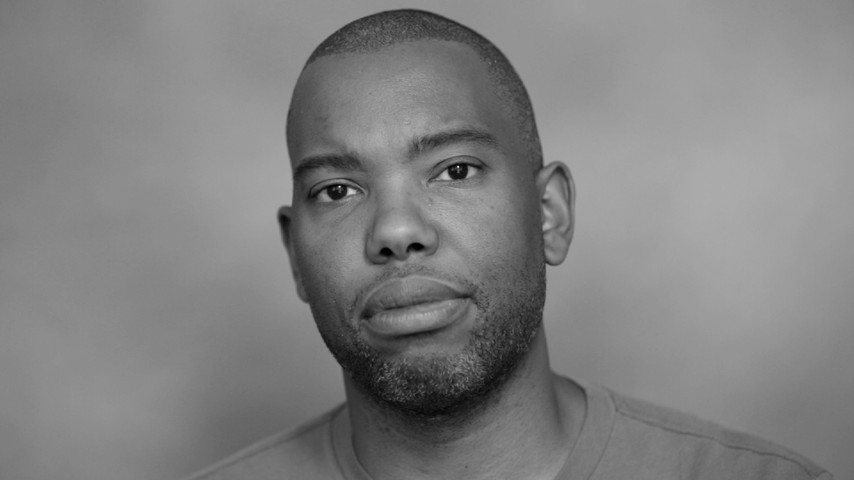
entre o mundo máis eu

ta-nehisi coates (1975- )
cdn.theatlantic.com
entre o mundo máis eu
Ta-Nehisi Coates
(2015)

e unha mañá mentres nos bosques tropecei de súpeto coa cousa,
tropecei nun claro de herba gardado por carballos e olmos escamudos
e o tisne dos detalles da escena alzouse, interpoñéndose entre o mundo máis eu ...
RICHARD WRIGHT

fillo,

o domingo a presentadora dun famoso noticiario preguntoume que significaba perder o meu corpo. ela estaba en Washington, D.F., e eu sentado nun estudio distante de alí, na zona oeste de Manhattan. un satélite clausuraba a distancia entre nós, mais ningún aparello podía clausurar a fenda entre o seu mundo e o mundo en representación do cal se me convidara a falar. cando me preguntou polo meu corpo, a súa face desapareceu da pantalla, sendo substituída por un ronsel de palabras que eu escribira aquela semana.

a presentadora leullas ao público, e cando ao acabar volveu ao tema do meu corpo, inda que sen mencionalo de xeito específico. a estas alturas xa estou acostumado a que xente intelixente me pregunte pola condición do meu corpo sen decatarse da natureza da súa demanda. de xeito específico, quería saber porque eu cría que o progreso da América branca; ou mellor, o progreso dos americanos que se cren brancos, se construíra sobre o saqueo e a violencia. ao escoitar isto sentín tristura, imprecisa mais xa unha vella coñecida, medrando por min arriba. a resposta á pregunta son os logros dos propios crentes. a resposta é a historia americana.

nom hai nada radical nesta afirmación. os americanos deifican a democracia dun xeito que apenas lles permite decatarse de que teñen desafiado o seu Deus de cando en vez. mais a democracia é un deus que perdoa, e as herexías de América - a tortura, o roubo e o escravismo - son tan comúns entre os individuos e as nacións que ninguén pode declararse inmune a elas. de feito, os americanos, nun sentido real, nunca traizoaron o seu Deus. cando Abraham Lincoln declarou en 1863 que a batalla de Gettysburg tiña que garantir "que o goberno da xente, pola xente e para a xente pobo nom desapareza da Terra", nom estaba manifestando unha simple aspiración; ao inicio da guerra civil, Estados Unidos tiña un dos índices de sufraxio máis elevados do mundo. a cuestión nom é se Lincoln cría de verdade no "goberno da xente", senón como o noso país, ao longo da súa historia, ten interpretado na práctica o termo "xente". en 1863 nom se refería a túa nai nin a túa avoa, nin tampouco se refería a ti nin a min. por conseguinte, o problema de América nom é ter traizoado o "goberno da xente", senón os medios polos que "a xente" adquiriu o seu nome.

isto lévanos a outra cuestión igualmente importante, unha que os americanos aceptan de maneira implícita pero que nom reivindican de maneira consciente. os americanos cren na realidade da "raza" como característica definida e incuestionable do mundo natural. o racismo - a necesidade de asignar á xente características inmutables e logo humillala, reducila e destruíla - é a inevitable consecuencia desta condición inalterable. neste sentido, o racismo é representado como o fillo inocente da nai natureza, e so se lamenta o comercio de escravos ao Novo Mundo ou a expulsión dos cherokee igual que se lamenta un tremor de terra, un tornado ou calquera outro fenómeno que se poida considerar alleo á obra dos homes.

pero a raza é renovo do racismo, nom pai. e o proceso de por nomes "á xente" nunca ten dependido nin da xenealoxía nin da fisiognomía, senón máis ben da xerarquía. as diferenzas no ton da pel e o pelo veñen de antigo. mais a crenza na preeminencia dun ton de pel e pelo concretos, a idea de que estes factores poidan organizar de forma correcta unha sociedade e encarnen atributos máis fondos, esa é a nova idea e central dunha nova xente á que educaron para crerse branca, dun xeito incompetente, tráxico e a mala fe.

esa nova xente é, igual que nós, un invento moderno. mais a diferenza de nós, o seu novo nome, no seu significado real, nom está divorciado da maquinaria de poder criminal. esa nova xente era outras cousas antes de ser branca - católicos, corsos, galeses, mennonitas, xudeus-, e se todas as nosas esperanzas nacionais chegan a cumprirse dalgún xeito e, cando o fagan, volverán a selo. tal vez se volvan verdadeiramente americanos e produzan unha base máis nobre para os seus mitos. nom podo predicilo. de momento, hai que dicir que o proceso de branqueo das diferentes tribos, e a loa á crenza no feito de ser branco nom se produciu por medio de catas de viño e eventos sociais para comer xeado, senón mediante o saqueo de vidas, da liberdade, do traballo e de terras, mediante o látego nas costas, as cadeas en brazos e pernas, o estrangulamento dos disidentes, a destrución das familias, a violación das nais, a venda dos fillos, así coma moitos outros actos destinados, principalmente, a negarnos a ti e a min o dereito a protexer e gobernar os nosos corpos.

lithub.com
esta nova xente nom é orixinal nisto. tal vez teña existido, nalgún momento da historia, algunha gran potencia cuxo ascenso se vira exento da explotación violenta doutros corpos humanos. se existiu, inda estou por descubrila. mais esta banalidade da violencia nunca poderá escusar a América, porque América desmárcase do banal. América crese excepcional, a máis grande e nobre das nacións que nunca existiron, un campión solitario que se interpón entre a cidade branca da democracia e terroristas, déspotas, bárbaros e outros inimigos da civilización. un nom pode declararse superhumano e ao mesmo tempo alegar un erro mortal. eu propoño que nos tomemos en serio as afirmacións que levan a cabo os nosos compatriotas de que América é excepcional; é dicir, propoño que sometamos o noso país a uns estándares morais superiores. isto é difícil, porque existe ao noso arredor todo un aparello que nos pide que aceptemos a inocencia de América tal e como se nos presenta e que nom escarvemos demasiado. e é moi doado apartar a vista, vivir cos froitos da nosa historia e ignorar as grandes maldades cometidas en nome de todos nós. pero ti e máis eu nunca gozamos realmente dese luxo. creo que o sabes.

escríboche agora que tes 15 anos. escríboche porque este ten sido o ano no que viches como esganaban a Eric Garner por vender cigarros, porque agora sabes que a Renisha McBride lle dispararon por pedir axuda, que a John Crawford o mataron por estar botando un ollo nuns grandes almacéns. e xa viches tamén como uns homes de uniforme que pasaban en coche asasinaron a Tamir Rice, un neno de 12 anos ao que xuraran protexer. e tes visto homes con eses mesmos uniformes mallar en Marlene Pinnock, a avoa de alguén, á beira dunha estrada. e agora sabes, se nom o sabías xa, que aos departamentos de policía do teu país outorgáronlles autoridade para destruír o teu corpo. nom importa que esa destrución sexa resultado dunha reacción desafortunadamente excesiva. nom importa que sexa produto dun malentendido. nom importa que a destrución proveña dun proceder estúpido. se vendes cigarros sen a debida autorización, o teu corpo pode ser destruído. se gardas resentimento á xente que está tentando atrapar o teu corpo, poden destruílo. métete por unhas escaleiras escuras e o teu corpo poder resultar destruído. a quen o destrúe case nunca se lle fai responsable. á maioría simplemente lles pagan unha pensión. e a destrución nom é máis que a norma superlativa dun dominio cuxas prerrogativas inclúen rexistros, detencións, malleiras e humillacións. isto é frecuente para os negros. é conto vello para os negros. e ninguén se fai responsable.

nom hai nada especificamente malvado nestes destrutores ou incluso nos tempos que corren. os destrutores son simplemente homes que aplican os caprichos do noso país ao interpretar correctamente a súa herdanza e legado. é difícil afrontar isto. mais os termos que usamos - relacións raciais, abismo racial, xustiza racial, selección racial, privilexio de brancos, incluso supremacía branca - serven para escurecer que o racismo é unha experiencia visceral, que desafiúza cerebros, bloquea vías respiratorias, esgaza músculos, extrae órganos, quebra osos, rompe dentes. nunca o ignores. debes lembrar sempre que a socioloxía, a historia, a economía, as gráficas, as táboas, as regresións, acaban batendo todas, con gran violencia, no corpo. 

ese domingo, con esa presentadora, nese noticiario, tentei explicar isto o mellor que puiden no tempo que se me asignou. pero, ao final, a presentadora mostrou a famosa fotografía dun rapazolo negro de once anos dándolle unha aperta a un policía branco. e preguntoume sobre a "esperanza". nese momento entendín que fracasara. e lembrei que xa previra que fracasaría. e volvinme marabillar da tristura imprecisa medrando por min arriba. exactamente, por que estaba triste?. saín do estudo e camiñei un chisco. era un día tranquilo de decembro. había familias, créndose brancas, polas rúas adiante. as crianzas, educadas para ser brancas, empaquetadas nas súas andarelas. e sentín tristura por esta xente, triste tanto pola presentadora como por todos os que viran aquilo e celebran aquela esperanza fraudulenta. entón decateime do motivo da miña tristura. cando a xornalista me preguntou polo meu corpo, era como se estivera a pedir que espertase do máis portentoso dos soños. toda a miña vida teño visto ese soño. casas perfectas con céspedes impolutos. churrascadas no Día dos Caídos, asociacións veciñais, e accesos para os coches. o Soño son cabanas nas árbores e os Lobos Miúdos. o Soño cheira a menta mais sabe a biscoito de amorodo. e durante tanto tempo teño desexado escapar ao Soño, arroupar a cabeza co meu país coma se fose unha manta. mais isto nunca ten sido unha opción porque o Soño apóiase nas nosas costas, as camas feitas dos nosos corpos ...

ANOTACIÓNS:

America & Americans son termos que traducimos como América e americanos; obviamente, en Galiza e Hespaña é máis habitual ler Norteamérica e norteamericanos, ou Estados Unidos e estadounidenses, tendo en conta a existencia de Canadá. Mais atendendo ao cariz do texto traducido, optamos por nom respectar este hábito

people podería ser pobo ou podería ser xente ou podería ser persoas. optamos por xente porque é un colectivo mais nom anula a individualidade tanto como pobo; un matiz que cremos indispensable á hora de traducir e interpretar este texto

the Middle Passage, traducido como o comercio de escravos, refírese ao traslado de africanos e africanas para ser vendidos como escravos en América; o seu 'transporte' era a fase intermedia de numerosos rutas comerciais que na maioría das ocasións comezaban e acababan en portos europeos

Trail of Tears, traducido como a expulsión dos cherokee, refírese a unha serie de expulsións masivas de nacións de nativos americanos, os máis coñecidos os cherokee, desde as súas terras ancestrais a territorios ao oeste do Mississippi a inicios do s. XIX

Cub Scouts, a 'sección' infantil dos Boy Scouts, traducido por Lobos Miúdos, é unha opción evidentemente cuestionable, mais igual ten éxito

Between the World and Me

And one morning while in the woods I stumbled suddently upon the thing,
Stumbled upon it in a grassy clearing guarded by scaly oaks and elms
And the sooty details of the scene rose, thrusting themselves between the world and me ...
RICHARD WRIGHT

Son,

Last Sunday the host of a popular news show asked me what it meant to lose my body. The host was broadcasting from Washington, DC, and I was seated in a remote studio on the far west side of Manhattan. A satellite closed the miles between us, but no machinery could close the gap between her world and the world for which I had been summoned to speak. When the host asked me about my body, her face faded from the screen, and was replaced by a scroll of words, written by me earlier that week.

The host read these words for the audience, and when she finished she turned to the subject of my body, although she did not mention it specifically. But by now I am accustomed to intelligent people asking about the condition of my body without realizing the nature of their request. Specifically, the host wished to know why I felt that white Americas's progress, or rather the progress of those Americans who believe that they are white, was built on looting and violence. Hearing this, I felt an old and indistinct sadness well up in me. The answer to this question is the record of believers themselves. The answer is American history.

There is nothing extreme in this statement. Americans deify democracy in a way that allows for a dim awareness that they have, from time to time, stood in defiance of their God. But democracy is a forgiving God and America's heresies - torture, theft, enslavement - are so common among individuals and nations that none can declare themselves immune. In fact, Americans, in a real sense, have never betrayed their God. When Abraham Lincoln declared, in 1863, that the battle of Gettysburg must ensure "that government of the people, by the people, for the people, shall not perish from the earth," he was not merely being aspirational; at the onset of the Civil War, the United States of America had one of the highest rates of suffrage in the world. The question is not whether Lincoln truly meant "government of the people" but what our country has, throughout its history, taken the political term "people" to actually mean. In 1863 it did not mean your mother or your grandmother, and it did not mean you and me. Thus America's problem is not its betrayal of "government of the people," but the means by which "the people" acquired their names.

This leads us to another equally important deal, one that Americans implicitly accept but to which they make no conscious claim. Americans believe in the reality of "race" as a defined, indubitable feature of the natural world. Racism - the need to ascribe bone-deep features to people and then humiliate, reduce, and destroy them - inevitably follows from this inalterable condition. In this way racism is rendered as the innocent daughter of Mother Nature, and one is left to deplore the Middle Passage or the Trail of Tears the way one deplores an earthquake, a tornado, or any other phenomenon that can be cast  as beyond the handiwork of men.

But race is the child of racism, not the father. And the process of naming "the people" has never been a matter of genealogy and physiognomy so much as one of hierarchy. Difference in hue and hair is old. But the belief in the preeminence of hue and hair, the notion that these factors can correctly organize a society and that they signify deeper attributes, which are inedible - this is the new idea at the heart of these new people who have been brought up hopelessly, tragically, deceitfully, to believe that they are white.

These new people are, like us, a modern invention. But unlike us, their new name has no real meaning divorced from the machinery of criminal power. The new people were something else before they were white - Catholic, Corsican, Welsh, Mennonite, Jewish - and if all our national hopes have any fulfillment, then they will have to be something else again. Perhaps they will truly become American and create a nobler basis for their myths. I cannot call it. As for now, it must be said that the process of washing the disparate tribes white, the elevation of the belief in being white, was not achieved through wine tastings and ice cream socials, but rather through the pillaging of life, liberty, labor, and land; through the flaying of backs; the chaining of limbs; the strangling of dissidents; the destruction of families; the rape of mothers; the sale of children; and various other acts meant, first and foremost, to deny you and me the right to secure and govern our own bodies.

The new people are not original in this. Perhaps there has been, at some point in history, some great power whose elevation was exempt from the violent exploitation of other human bodies. If there has been, I have yet to discover it. But this banality of violence can never excuse America, because America makes no claim to the banal. America believes itself exceptional, the greatest and noblest nation ever to exist, a lone champion standing between the white city of democracy and the terrorists, despots, barbarians, and other enemies of civilization. One cannot, at once, claim to be superhuman and then plead mortal error. I propose to take our countrymen's claims of American exceptionalism seriously, which is to say I propose subjecting our country to an exceptional moral standard. This is difficult because there exists, all around us, an apparatus urging us to accept American innocence at face value and not to inquire too much. And it is so easy to look away, to live with the fruits of our history and to ignore the great evil done in all of our names. But you and I have never truly had that luxury. I think you know.

I write you in your fifteenth year. I am writing you because this was the year you saw Eric Garner choken to death for selling cigarettes; because you know now that Renisha McBride was shot for seeking help, that John Crawford was shot down for browsing in a department store. And you have seen men in uniform drive by and murder Tamir Rice, a twelve-year-odl child whom they are oath-bound to protect. And you have seen men in the same uniforms pummel Marlene Pinnock, someone's grandmother, on the side of a road. And you know now, if you did not before, that the police departments of your country have been endowed with the authority to destroy your body. It does not matter if the destruction is the result of an unfortunate overreaction. It does not matter if it originates in a misunderstanding. It does not matter if the destruction springs from a foolish policy. Sell cigarettes without the proper authority and your body can be destroyed. Resent the people trying to entrap your body and it can be destroyed. Turn into a dark stairwell and your body can be destroyed. The destroyers will rarely be held accountable. Mostly they will receive pensions. And destruction is merely the superlative form of a dominion whose prerogatives include friskings, detainings, beatings, and humiliations. All of this is common to black people. And all of this is old for black people. No one is held responsible.

There is nothing uniquely evil in these destroyers or even in this moment. The destroyers are merely men enforcing the whims of our country, correctly interpreting its heritage and legacy. It is hard to face this. But all our phrasing - race relations, racial chasm, racial justice, racial profiling, white privilege, even white supremacy - serves to obscure that racism is a visceral experience, that it dislodges brains, blocks airways, rips muscle, extracts organs, cracks bones, breaks teeth. You must never look away from this. You must always remember that the sociology, the history, the economics, the graphs, the charts, the regressions all land, with great violence, upon the body.

That Sunday, with that host, on that news show, I tried to explain this as best I could within the time allotted. But at the end of the segment, the host flashed a widely shared picture of an eleven-year-old black boy tearfully hugging a white police officer. Then she asked me about "hope." And I knew then that I had failed. And I remembered that I had expected to fail. And I wondered again at the indistinct sadness welling up in me. Why exactly was I sad? I came out of the studio and walked for a while. It was a calm December day. Families, believing themselves white, were out on the streets. Infants, raised to be white, were bundled in strollers. And I was sad for these people, much as I was sad for the host and sad for all the people out there watching and reveling in a specious hope. I realized then why I was sad. When the journalist asked me about my body, it was like she was asking me to awaken her from the most gorgeous dream. I have seen that dream all my life. It is perfect houses with nice lawns. It is Memorial Day cookouts, block associations, and driveways. The Dream is treehouses and the Cub Scouts. The Dream smells like peppermint but tastes like strawberry shortcake. And for so long I have wanted to escape into the Dream, to fold my country over my head like a blanket. But this has never been an option because the Dream rests on our backs, the bedding made from our bodies ...